A Step-by-Step Guide to a Louisiana Home Energy Audit: Finding the Source of Your Heat Problem
That familiar, oppressive wave of heat hits you the moment you step outside in a Louisiana summer. It’s a feeling we all know. What’s almost as predictable is the shock of the electricity bill that follows, a constant reminder of the battle our air conditioners wage against the humid air. For homeowners, this is a comfort and budget issue. But for real estate professionals, it’s a critical factor in every transaction.

As a leading authority in Louisiana real estate valuation and market analysis, eliteappraise.com understands that a home’s energy performance is no longer a niche specialty. It is a core component of determining true market value and providing expert client guidance. For today’s savvy realtors and appraisers, being able to speak intelligently about energy efficiency is a key differentiator. This guide is designed to equip you, the real estate professional, with the knowledge to navigate this crucial aspect of the market. We will break down the Louisiana home energy audit process step-by-step, not for DIY purposes, but to empower you to better advise clients, accurately assess property value, and leverage energy efficiency as a key selling point.
Key Takeaways
- For Realtors: An energy audit provides concrete data to market a home’s efficiency, justify listing prices, and help buyers understand a property’s true cost of ownership beyond the mortgage.
- For Appraisers: Understanding audit results is crucial for accurately valuing energy-efficient features and making defensible adjustments on an appraisal report, especially using tools like the Appraisal Institute’s Green Addendum.
- The Process: A professional audit involves more than a simple visual check; it includes diagnostic tools like blower door tests and infrared thermography to pinpoint specific, often invisible, sources of energy loss.
- The Value Impact: In Louisiana, the most common and high-impact issues found are inadequate attic insulation, significant air leakage, and inefficient HVAC ductwork—all of which directly affect a home’s comfort, cost, and market value.
TL;DR
A Louisiana home energy audit is a diagnostic process that uses tools like blower door tests and infrared cameras to find sources of energy waste, particularly heat gain. For real estate professionals, understanding this audit helps in marketing properties, advising clients on a home’s true cost, and accurately appraising its value based on energy efficiency, a growing market trend.
Why a Home Energy Audit is a Power Tool for Louisiana Real Estate Professionals
High energy costs are a major pain point for Louisiana homeowners and a significant concern for potential buyers. In fact, Louisiana households have some of the highest residential electricity consumption in the nation, largely due to the high demand for air conditioning. A home that is uncomfortable or expensive to cool can become a major hurdle in a real estate transaction.
An energy audit demystifies these issues. It transforms vague complaints like “it’s always hot upstairs” or “the A/C runs constantly” into a clear, data-driven report with actionable solutions. This information is invaluable in the hands of a knowledgeable real estate professional.
For the Savvy Realtor: Gaining a Competitive Edge
In a competitive market, information is power. An energy audit report gives you a distinct advantage.
- Marketing Differentiator: Instead of making generic claims, you can use audit results to market a home as “energy-efficient” with verifiable proof. Highlighting a low air leakage score or recent insulation upgrades provides tangible evidence of a home’s quality and lower operating costs.
- Overcoming Objections: When a buyer expresses concern about potential utility costs, you can proactively present the audit report. It shows that the home’s performance has been professionally evaluated and can quantify the benefits of existing efficient features.
- Informed Negotiations: Whether you’re representing the buyer or the seller, the audit report is a powerful negotiation tool. For sellers, it can justify a higher asking price. For buyers, it can identify necessary upgrades that may factor into the offer price.
For the Expert Appraiser: Defending Your Valuation
An appraiser’s valuation must be supported by credible data. An energy audit provides precisely that.
- Justifying Adjustments: A third-party energy audit report is the documentation needed to justify value adjustments for energy-efficient upgrades (or a lack thereof). It moves the valuation beyond simple observation to data-backed analysis.
- Market Trend Analysis: The market is increasingly recognizing the value of lower utility costs and sustainable features. Acknowledging and quantifying these features in an appraisal demonstrates a comprehensive understanding of current market trends.
- Risk Mitigation: An audit can help identify potential “energy obsolescence” in older homes. A property with severe energy deficiencies may face a higher risk of future value decline as energy costs rise and efficiency standards evolve. Recognizing this is key to a thorough risk assessment.
The Anatomy of a Professional Louisiana Energy Audit: A Step-by-Step Guide
Understanding the audit process allows you to explain its value to a client and, more importantly, to interpret the final report. Here’s what a comprehensive audit entails.
Step 1: The Pre-Audit Consultation & Data Collection
The audit begins not with tools, but with a conversation. The auditor interviews the homeowner about specific comfort issues, drafts, hot or cold spots, and moisture problems. They will also typically review at least 12 months of utility bills to establish a baseline for the home’s energy consumption.
Why it matters for you: This initial step identifies the homeowner’s primary pain points. These are often the same concerns a potential buyer will have when touring the property. Understanding these issues upfront allows you to address them directly.
Step 2: The Comprehensive Visual Inspection (Interior & Exterior)
Next, the auditor conducts a thorough top-to-bottom visual inspection of the home. They are looking for key indicators of energy performance. This includes checking insulation levels in the attic, assessing the quality and condition of windows (e.g., single-pane vs. double-pane with low-E coatings), examining weatherstripping on doors, and inspecting the visible components of the HVAC system and ductwork.
Why it matters for you: These are the visible features you can point out during a showing or note during an appraisal inspection. Knowing what to look for—like compacted, old insulation or unsealed attic access panels—gives you a more discerning eye for a property’s condition.
Step 3: The Diagnostic Testing – Finding the Invisible Problems
This is where a professional audit separates itself from a simple walkthrough. Auditors use specialized equipment to measure and visualize a home’s performance.
- The Blower Door Test: A powerful, calibrated fan is mounted in the frame of an exterior door. The fan pulls air out of the house, lowering the air pressure inside. The higher outside air pressure then flows in through all the unsealed cracks and openings. This test precisely measures the total air leakage of the home, providing a metric called ACH50 (Air Changes per Hour at 50 Pascals). A lower number indicates a tighter, more efficient home.
- Infrared (Thermal) Imaging: This is one of the most compelling parts of an audit. An infrared camera translates heat into a visible spectrum, revealing temperature differences across surfaces. On a hot Louisiana day, this camera can visually pinpoint exactly where heat is infiltrating the home—through poorly insulated walls, unsealed window frames, or gaps around recessed lighting.
Step 4: The Final Report & Recommendations
The culmination of the audit is a detailed report. This document doesn’t just list problems; it prioritizes solutions based on their cost-effectiveness and potential energy savings. It provides a strategic roadmap for improving the home’s performance.
Why it matters for you: This report is your guide. It tells you which upgrades provide the most “bang for the buck” in terms of both comfort and potential return on investment. This information is gold when advising a seller on pre-listing improvements or helping a buyer understand the potential of a property.
Common Culprits: Decoding the Source of Louisiana’s Heat Problems
In Louisiana, the battle is against heat gain and humidity. Audits consistently reveal a few key offenders responsible for uncomfortable homes and high cooling bills.
The #1 Offender: The Attic
Your attic is the primary buffer between the living space and the sweltering sun. When it fails, the whole house suffers.
- Inadequate Insulation: The effectiveness of insulation is measured by its R-value. For an attic in Louisiana’s climate zone, ENERGY STAR recommends an R-value between R30 and R60. Most older homes are severely under-insulated, with R-values of R19 or less, offering little resistance to the intense heat radiating from the roof.
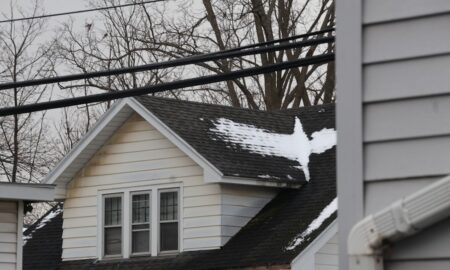
- Poor Ventilation: A properly ventilated attic allows super-heated air to escape. Without adequate ventilation, this trapped air can reach temperatures of 150°F or more, radiating heat downward through the ceiling and into your living space, forcing the A/C to work overtime.
Air Leakage: The Unseen Enemy
The blower door test often reveals that a home is leaking air like a sieve. This allows hot, humid outdoor air to infiltrate the conditioned space. Common leak points include recessed lighting fixtures, electrical outlets on exterior walls, plumbing penetrations under sinks, and poorly sealed attic access hatches.
The Ductwork Dilemma
This is a massive, often overlooked problem in Louisiana. HVAC ductwork frequently runs through the brutally hot attic. If those ducts are leaky, poorly connected, or uninsulated, you are essentially paying to pump large amounts of expensive, cooled air directly into one of the hottest parts of your house. It’s a surprising but common cause of an air conditioner that just can’t keep up.
Windows and Doors: The Solar Gain Factor
Direct sunlight streaming through inefficient windows can significantly heat a room, an effect known as solar heat gain. Older, single-pane windows offer almost no protection. Upgrades to double-pane windows with low-emissivity (low-E) coatings can dramatically reduce this effect, improving comfort and lowering cooling costs.
Connecting the Dots: How Audit Results Translate to Real Estate Value
This is where the expertise of eliteappraise.com comes into play. Understanding the technical aspects of an audit is one thing; translating that data into market value is another.
The ROI of Energy-Efficient Upgrades in the Louisiana Market
Improvements identified in an energy audit are not just expenses; they are investments in a home’s value. Upgrades like adding attic insulation consistently rank high for return on investment. A home that can be marketed with proof of these upgrades is more appealing to buyers, can command a higher price, and may spend less time on the market. You are selling not just a structure, but a more comfortable, affordable living experience.
The Appraiser’s Role: Valuing What Matters
An appraiser’s job is to provide an opinion of value based on market evidence. As energy efficiency becomes more important to buyers, the market is beginning to reflect its value.
An expert appraiser can use the data from an energy audit to support their analysis and make credible adjustments. The industry-standard tool for this is the Appraisal Institute’s Residential Green and Energy Efficient Addendum. This form provides a standardized way to document a home’s high-performance features, from insulation levels and air leakage rates to the efficiency of the HVAC system.
However, simply filling out the form isn’t enough. It requires an appraiser who understands the data and knows how to analyze its impact on market value. The expertise at eliteappraise.com includes knowing how to properly value these often-overlooked assets, ensuring a more accurate, comprehensive, and defensible appraisal. For a deeper look at our valuation methodologies, you can explore the various resources available on our site.
Stay Ahead of the Market with Energy Insights
A home energy audit is far more than a simple maintenance check-up. For the modern Louisiana real estate professional, it is a strategic tool. It provides the objective data needed to market properties effectively, advise clients with confidence, and assess property value with a level of precision that sets you apart.
In a competitive market, staying ahead means understanding all the factors that contribute to a home’s true value. By mastering concepts like energy efficiency and learning to leverage the data from a professional audit, you demonstrate a higher level of expertise that clients will recognize and appreciate. Partnering with valuation experts who understand these nuances is key to your success and ensures your clients receive the most accurate and insightful guidance possible.