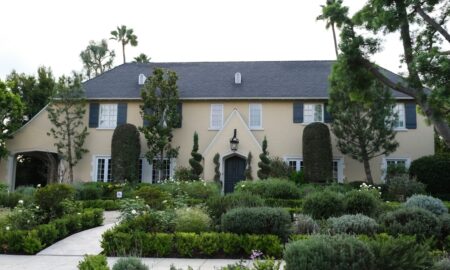
Appraiser’s Analysis: How a New Roof Directly Impacts Home Valuation and ROI
Introduction: Moving Beyond Curb Appeal to Contributory Value
Every real estate professional has heard the question, usually posed with a hopeful yet anxious tone from a homeowner about to list their property: “Will I get my money back on a new roof?” It’s a query that demands more than a simple “yes” or “no.” It requires a sophisticated understanding of the real estate market, one that moves beyond curb appeal and dives deep into the mechanics of property valuation. To provide clients with the expert insights they need to stay ahead, we must reframe the question entirely.
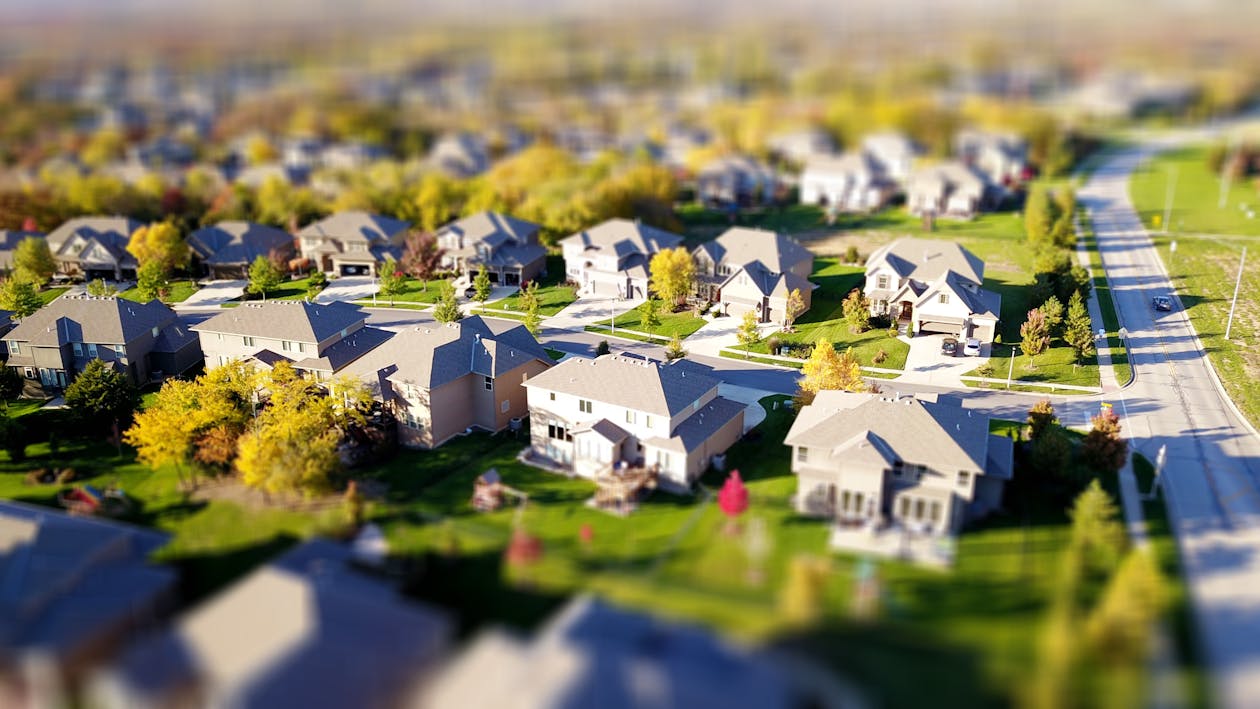
This post provides a definitive appraiser’s analysis on how a new roof directly impacts home valuation. We will move beyond simple cost-recoupment to explore the nuanced factors of contributory value, marketability, and risk reduction that every real estate professional must understand. This guide is crafted specifically for those on the front lines of the property market—realtors advising clients, appraisers seeking consistency, and educators teaching valuation principles—who require a deeper, more technical understanding than the average homeowner.
Key Takeaways
- Cost vs. Value: The price a homeowner pays for a new roof (cost) is not automatically added to the home’s price tag. An appraiser determines its “contributory value”—what a typical buyer in the current market is willing to pay for it.
- Insurability is Non-Negotiable: An old, failing roof is one of the most common reasons a property fails to secure insurance, which immediately halts the financing process for FHA, VA, and conventional loans. A new roof removes this critical barrier to sale.
- Documentation Drives Value: A “roof portfolio” containing permits, final invoices, and a transferable warranty provides the verifiable data an appraiser needs to justify a positive adjustment and a realtor needs to market the property effectively.
- A New Roof Reduces “Effective Age”: A new roof on an older home can significantly lower the property’s overall effective age in an appraisal, signaling a well-maintained asset and extending its remaining economic life for lenders.
The Appraiser’s Core Principles: Cost vs. Contributory Value
To accurately assess a roof’s impact, we must first operate from the same principles that guide every certified appraiser. The most critical of these is the distinction between what something costs and what value it contributes to the whole.
Defining the Terms: Why “Cost” Does Not Equal “Value”
It’s a fundamental appraisal principle: a homeowner’s expenditure on an improvement is not automatically added to the home’s market value. A homeowner might spend $20,000 on a new roof, but that doesn’t mean the house is now worth $20,000 more. This is the difference between Cost and Value.
- Cost: The actual dollar amount spent on labor and materials for the roof installation.
- Contributory Value: The actual dollar amount the market (i.e., a typical, informed buyer) is willing to pay for that specific improvement. This is the figure that matters in an appraisal.
For example, the 2023 Remodeling Cost vs. Value Report notes that a typical asphalt shingle roof replacement recoups approximately 61% of its cost at resale. While this number provides a useful benchmark, an appraiser’s analysis goes deeper to determine why and how that value is realized.
The Three Approaches to Valuation and the Roof’s Role
Appraisers use three primary methods to determine a property’s value. A new roof plays a distinct role in each.

- Sales Comparison Approach: This is the most common approach for residential properties. An appraiser analyzes recent sales of similar homes (comparables or “comps”). A subject property with a brand-new roof is qualitatively superior to a comp with a 15-year-old roof. However, making a precise dollar-for-dollar adjustment is difficult and often improper without clear market data showing buyers consistently pay a specific premium for a new roof. Instead, the new roof positions the subject at the higher end of the value range established by the comps.
- Cost Approach: This approach calculates value by determining what it would cost to replace the property, subtracting depreciation, and adding the land value. Here, a new roof has a direct, technical impact. It resets the “effective age” of that major home component to zero, significantly reducing the property’s overall calculated depreciation. For an appraiser, this is one of the most tangible ways to quantify a new roof’s value.
- Income Approach: Primarily used for investment properties, this approach analyzes a property’s ability to generate income. A new roof directly impacts this by lowering projected maintenance costs, repair budgets, and capital expenditure forecasts, which can lead to a higher valuation for a potential investor.
The Direct Impact: Quantifiable Factors in a Home Valuation
Beyond theoretical principles, a new roof delivers measurable benefits that directly influence an appraisal report and the entire transaction process.
Effective Age & Remaining Economic Life
An appraiser considers two types of age: actual age and effective age. A 20-year-old house has an actual age of 20. But if it has a brand-new roof, new HVAC, and an updated kitchen, its effective age might be only 5 or 10 years old. The effective age reflects the property’s condition and utility. A new roof is a major capital improvement that substantially lowers a property’s overall effective age.
This, in turn, extends the remaining economic life—the period over which the improvements are expected to contribute to the property’s value. Lenders look closely at this figure, as they are hesitant to issue a 30-year mortgage on a property with a remaining economic life of only 15 years. A new roof provides them with crucial assurance.
Insurability and Financing: The Deal-Killers a New Roof Solves
This is perhaps the most critical, high-impact factor for real estate agents. In today’s market, insurance companies are increasingly refusing to write new policies for homes with roofs older than 15-20 years, especially in areas prone to wind or hail.
Without proof of insurance, a lender will not issue a mortgage. This means an old roof can single-handedly kill a deal, regardless of the buyer’s qualifications or the home’s other features. Government-backed loans like FHA and VA have particularly strict requirements for roof condition. A new roof isn’t just an upgrade; it’s a feature that removes a significant barrier to closing, ensuring the property is insurable and financeable. As noted in some regional analyses, a new roof can be a key to unlocking significant insurance savings, a benefit that directly appeals to buyers.

Marketability and Days on Market (DOM)
For realtors, a new roof is a powerful marketing tool. It immediately signals a well-maintained, “turn-key” property. It removes a major psychological and financial objection for potential buyers, who are often wary of taking on large, immediate capital expenditures.
This translates directly to market performance. A home with a new roof is often perceived as a premium product compared to its competition, leading to:
- Reduced Days on Market (DOM): The property is more attractive and faces fewer hurdles, leading to a quicker sale.
- Stronger Negotiating Position: The seller is less likely to face requests for credits or price reductions related to the roof’s condition during the inspection period.
The ROI Analysis: Factors That Maximize Return
Not all new roofs are created equal. The return on investment is heavily influenced by material choice, warranty, and the quality of documentation provided to the appraiser.
Material Matters: Asphalt vs. Metal vs. Slate/Tile
The principle of conformity dictates that improvements should align with the standards of the neighborhood. A high-end slate roof may not achieve its full contributory value in a neighborhood of modest asphalt-shingled homes.
| Material Type | Typical Cost | Lifespan | Contributory Value & Key Considerations |
|---|---|---|---|
| Architectural Asphalt | $$ | 25-30 years | The Market Standard. Meets buyer expectations and is the most common material. Offers excellent value and is appropriate for most homes. |
| Standing Seam Metal | $$$ | 50+ years | High ROI in Specific Markets. Valued for longevity, energy efficiency (cool roof), and durability in areas with heavy snow, high winds, or wildfire risk. |
| Slate / Clay Tile | $$$$ | 100+ years | Premium / Niche Value. Highest contributory value but only realizes full ROI in luxury neighborhoods where it is the norm. Over-improving can limit returns. |
The Power of the Transferable Warranty
A 30-year or 50-year transferable warranty is a tangible asset. It’s a documented, legally enforceable promise of performance that passes from the seller to the new buyer. An appraiser can note this in the report as a positive attribute, and a realtor can market it as “peace of mind” for the next several decades. This is a critical, often-overlooked feature that adds demonstrable value.
Documentation is Everything: Permits, Invoices, and Warranties
An appraiser cannot give value to something they cannot verify. This is where realtors can provide immense value to their selling clients.
- For Realtors: Advise sellers to compile a “roof portfolio.” This should include the final, paid-in-full invoice detailing the work performed and materials used, proof of permit closure from the local municipality, and the official warranty documents. Provide this package to the appraiser upon their arrival.
- For Appraisers: This documentation provides the verifiable data needed to support any positive adjustments or favorable comments in the appraisal report. It moves the new roof from a simple observation to a documented fact.
Regional Nuances and Market Trends
The contributory value of a roof is not universal; it is heavily influenced by local climate, codes, and market conditions. Gaining expert insight into these trends is crucial.
Climate and Geographic Considerations
- A Class 4 impact-resistant (hail-resistant) shingle has a significantly higher contributory value in Dallas, Texas, than in San Diego, California.
- A metal roof engineered to handle a heavy snow load is valued more in Denver, Colorado, than in Miami, Florida.
- In coastal regions, materials resistant to salt spray and high winds will be viewed more favorably by the market.
The Influence of Insurance and Building Codes
In the wake of major weather events, many states and municipalities have strengthened their building codes. Furthermore, insurance companies have drastically increased premiums or pulled out of high-risk areas altogether. A new roof that is fully compliant with the latest, strictest codes and can help a new owner secure an affordable insurance policy is more valuable today than ever before. This is a powerful market trend that directly elevates the contributory value of a new, well-documented roof.
Practical Takeaways for Real Estate Professionals
Translating these principles into action is what separates a good professional from a great one.
For Realtors: Advising Your Clients and Marketing the Listing
- When to Replace vs. Offer a Credit: If a roof is at the end of its life and may cause insurance or financing issues, strongly recommend replacement. If the roof is functional but aging (e.g., 12-15 years old), offering a credit might be a viable alternative, though a full replacement often yields a cleaner transaction.
- Actionable Listing Phrases: Don’t just say “new roof.” Enhance your listing descriptions:
- “Worry-free living with a brand new 2024 architectural roof and a 30-year transferable warranty.”
- “Fully insurable and financeable! New roof installed (2024) with all permits closed.”
- “Energy-efficient standing seam metal roof (2024) offers decades of durability and potential insurance discounts.”
- Prepare for the Appraisal: Have the “roof portfolio” ready and highlight it in the agent remarks in the MLS.
For Appraisers: Documenting and Supporting Your Adjustments
- Detailed Report Comments: Be specific in the “Improvements” section of the Uniform Residential Appraisal Report (Form 1004). Note the installation date, material type (e.g., “30-year architectural shingle”), and the presence of a transferable warranty.
- Bracketing Comparables: When possible, use comparables that bracket the subject property’s roof age. For example, use one comp with an older, end-of-life roof and another with a mid-life roof. This helps illustrate the subject’s superior condition and supports its position at the higher end of the value range. For more complex valuation challenges, exploring our full range of appraisal services can provide the clarity you need.
A New Roof is an Investment in Certainty
A new roof does much more than keep the rain out. From an appraiser’s perspective, it is a strategic investment that directly impacts home valuation by lowering effective age, ensuring insurability, enhancing marketability, and fundamentally reducing risk for every party involved in the transaction.
The true return on investment isn’t found by simply subtracting cost from a potential value increase. The real ROI is the removal of uncertainty for buyers, lenders, and insurers. That certainty is often the catalyst for a smooth, timely, and successful closing at the highest possible market value.
The real estate market is constantly evolving. To stay ahead with expert valuation insights and in-depth market analysis, subscribe to the eliteappraise.com newsletter. For complex property valuations where every detail matters, trust our expertise.